The Cartoonist’s New Deadline: How the Internet Redrew Political Satire
Political cartooning was never a gentle art. It was a daily duel between ink and authority, a way of drawing the unsayable. But for most of its history, the duel had rules: a newspaper page, an editor’s nod, a printing press, a morning doorstep. The internet didn’t just move the duel online. It handed everyone a pen, removed the seconds, and set the duel in a town square where the crowd can throw fruit from any direction. The result is not simply faster cartoons or digital ink. It is a different civic practice—one where the drawn line argues in real time, often without a referee, and sometimes without a memory.
This article is for readers who care about visual satire as a form of public reasoning. It looks at how the internet changed the production, distribution, and reception of political cartoons. It also asks what cartoonists lost when they gained the whole world as an audience—and what they found when the old gatekeepers stepped aside. Along the way, we’ll meet the tools, platforms, and pressures that now shape the panel. The goal is not nostalgia. The goal is to see the current landscape clearly enough to draw it.
The Old Panel: Scarcity, Gatekeepers, and the Morning Ritual
Before the internet, a political cartoon was a scarce object. It appeared once a day, in one newspaper, in one city. The cartoonist worked under an editor who could kill a panel for taste, politics, or legal fear. The audience read the cartoon over coffee, often after the news, and the cartoon’s power came partly from that shared ritual. A good panel could become a national talking point. A bad one could end a career. But the cartoonist’s reach was bounded by circulation, syndication, and the patience of a publisher.
That scarcity created a strange kind of authority. The cartoonist was a licensed provocateur, paid to be rude within limits. The limits were real: no libel, no obscenity, no direct calls to violence. But within those limits, the cartoonist could compress a week of political failure into a single image. The best panels worked like a well-timed heckle at a formal dinner—brief, rude, and impossible to ignore.
The internet did not invent political satire. It changed the economics of attention. A cartoon that once lived for a morning now lives forever, searchable and shareable. A cartoon that once needed an editor now needs only a phone. And a cartoonist who once answered to a publisher now answers to an algorithm, a comment section, and a global audience with no shared breakfast table.
The New Panel: Abundance, Speed, and the Vanishing Editor
The first big change is speed. A political cartoon used to trail the news by a day. Now it can trail the news by minutes. When a politician says something absurd at 9 a.m., a cartoon can be online by 10, shared by noon, and forgotten by dinner. That speed rewards quick wit and punishes slow craft. It also changes the cartoon’s relationship to the news. The old panel was a commentary on yesterday. The new panel is often a reaction to a live feed, a screenshot, a viral clip. The cartoonist is no longer a morning-after historian. They are a live fact-checker with a pen.
The second change is the disappearance of the editor. This is liberating and dangerous. Without an editor, cartoonists can publish work that would never survive a newsroom’s legal review. They can be sharper, stranger, more personal. But they also lose the editor’s second pair of eyes—the person who says, “This is funny, but it’s also wrong,” or “This is true, but it’s not worth the lawsuit.” The internet is full of cartoons that would have been better with a quiet no. It is also full of cartoons that would never have existed with a quiet yes. Both things are true.
The third change is the audience. A newspaper cartoonist drew for a local readership with shared references. An internet cartoonist draws for a global audience with no shared context. The same panel can be read in Berlin, Buenos Aires, and Boise. That means the cartoonist must either explain more or accept that many readers will miss the point. Most choose the second option. The result is a visual language that is faster, more meme-like, and less dependent on local knowledge. The tradeoff is depth. A panel that works everywhere often works nowhere for long.
From Ink to Interface: The Tools of the Trade
The tools changed before the audience did. A cartoonist who once used pen, ink, and paper now uses a drawing tablet, a vector program, and a social media scheduler. The physical act of drawing is different. There is no resistance from the paper, no smell of ink, no risk of a ruined original. There is also no original. The digital file is the cartoon. It can be copied, altered, and reposted without the artist’s permission. That changes the cartoonist’s relationship to the work. The panel is no longer a finished object. It is a starting point for other people’s edits, captions, and arguments.

Some cartoonists still draw by hand and scan the result. Others work entirely on screen. The best digital cartoonists use the medium’s strengths: layers, undo, instant color, easy correction. The worst use the medium’s weaknesses: too many filters, too much polish, too little risk. A political cartoon should feel like a thought caught in motion, not a corporate illustration. The internet rewards speed, but speed without friction produces smooth, forgettable panels. The best digital work keeps some of the old messiness—the visible line, the imperfect lettering, the sense that a human hand made this in a hurry because the news demanded it.
The Meme as Cartoon, the Cartoon as Meme
The internet’s most important contribution to visual satire is the meme. A meme is a political cartoon without the drawing. It uses a stock image, a screenshot, a repeated phrase. It travels faster than any editorial panel ever could. And it has changed what audiences expect from visual commentary. A meme can be made in seconds, shared in millions, and forgotten in hours. A political cartoon takes longer to make and longer to read. The two forms now compete for the same attention. The cartoonist who ignores the meme risks irrelevance. The cartoonist who imitates the meme risks losing the craft that makes a panel worth more than a passing scroll.
The best internet-era cartoonists treat the meme as a dialect, not a replacement. They borrow its speed and its visual shorthand, but they keep the drawn line, the composed image, the deliberate exaggeration. A good panel can be shared like a meme and still reward a second look. A bad panel is just a meme with extra steps. The difference is often in the drawing itself—the way a face is stretched, a body is posed, a symbol is twisted. That is the cartoonist’s old magic, and it still works online, even when the audience is scrolling fast.
The Comment Section as a Second Panel
No newspaper cartoonist ever had to read the mail in real time. Letters to the editor arrived days later, filtered by an assistant. The internet cartoonist gets the mail immediately, in public, under the cartoon itself. The comment section is a second panel, drawn by the audience. Sometimes it is funnier than the cartoon. Sometimes it is crueler. Always it is faster. The cartoonist who reads the comments learns what landed and what missed. The cartoonist who reads too many comments learns to draw for the loudest voices, not the truest ones.
The comment section also changes the cartoon’s afterlife. A panel that offends no one is forgotten. A panel that offends everyone is screenshotted, quoted, and debated for days. That creates an incentive to provoke, not to persuade. The old cartoonist wanted to change minds. The new cartoonist often wants to win the timeline. The two goals overlap, but they are not the same. A cartoon that wins the timeline can lose the argument. A cartoon that changes a mind rarely goes viral. The best cartoonists know which game they are playing and why.
The Global Audience and the Local Joke
Political cartooning has always been local. The best panels rely on a shared civic vocabulary: the mayor’s face, the city’s scandal, the state’s absurd law. The internet erases that locality. A cartoon about a city council vote in Cleveland is now visible in Cairo. That is not a problem if the cartoon is about universal themes—corruption, hypocrisy, the gap between promise and performance. But it is a problem if the cartoon depends on a local reference that no one outside the city will understand.
Some cartoonists solve this by adding context: a caption, a title, a small note. Others solve it by drawing for a global audience from the start, using symbols that travel well—the fat cat, the broken scale, the empty podium. The risk is a flattening of the art. A cartoon that works everywhere is often a cartoon about nothing in particular. The best internet cartoonists keep the local detail and trust the global audience to catch up. The internet is full of curious readers. A well-drawn local panel can find its people anywhere.
The Legal and Ethical New World
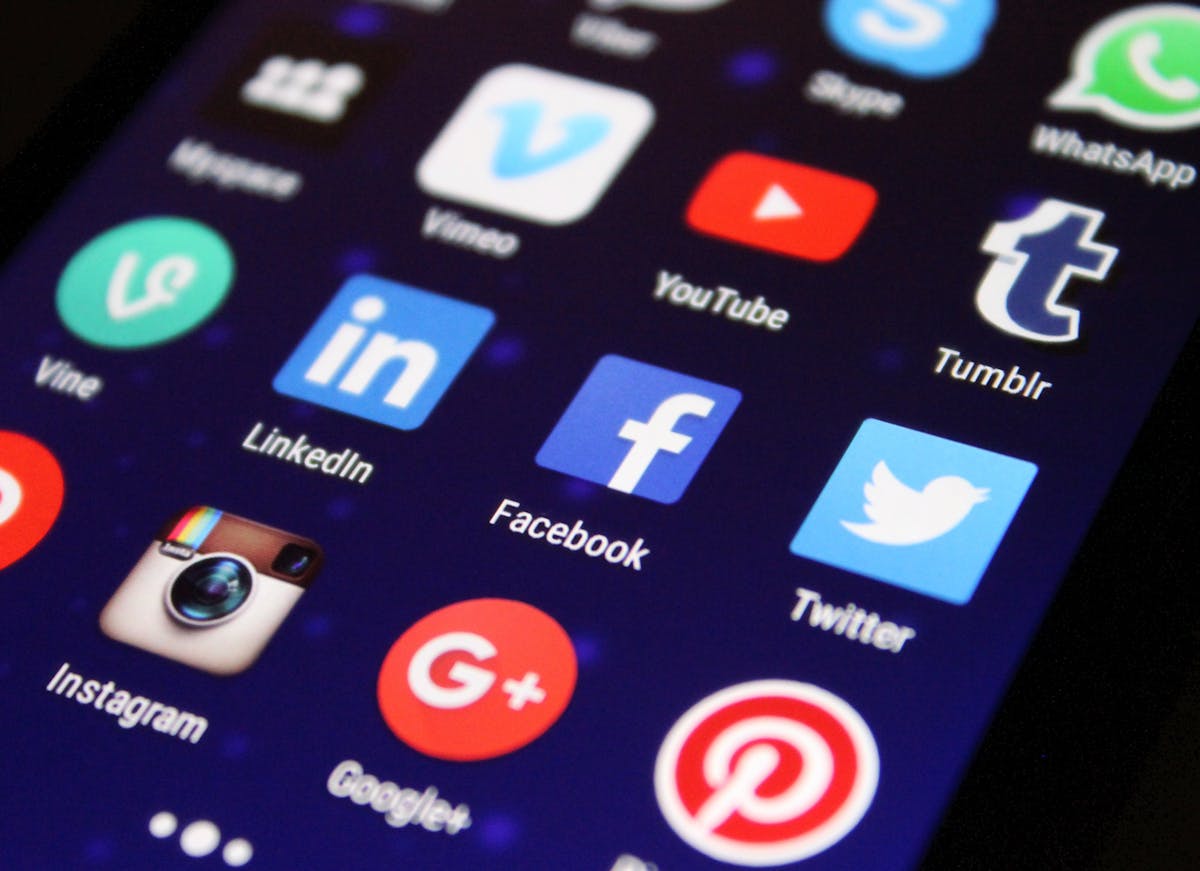
The old cartoonist worried about libel. The new cartoonist worries about something stranger: the platform’s rules. A cartoon that is legal in a newspaper can be removed from a social network for violating a vague policy on hate speech, harassment, or misinformation. The platform is not a publisher, but it acts like one when it removes a panel. The cartoonist has no editor, but they have a content moderator they have never met. That is a new kind of gatekeeping, less visible than the old newsroom but often more powerful.
There are also new ethical questions. Is it fair to draw a private citizen who became public by accident? Is it fair to use a screenshot of a real person’s social media post as the basis for a cartoon? Is it fair to alter a photograph and call it satire? The old rules were built for a slower, smaller world. The new rules are being written in real time, by cartoonists, platforms, and courts. The cartoonist who wants to stay out of trouble must learn the new rules without losing the old nerve.
The Cartoonist’s New Business Model
The internet broke the newspaper’s business model, and with it the cartoonist’s salary. A staff cartoonist was once a full-time job with benefits. Now it is a rare position. Most internet-era cartoonists are freelancers, supported by a mix of Patreon subscribers, print sales, commissions, and the occasional viral hit. That changes the work. A cartoonist who depends on subscribers must produce work that subscribers want to support. That is not the same as work that the public needs to see. The subscriber model rewards consistency, personality, and a recognizable style. It does not always reward the hardest truths.
Some cartoonists have built sustainable careers this way. They publish daily or weekly, build a loyal audience, and sell books and prints. Others struggle. The internet is full of brilliant cartoonists who cannot pay rent. The old system was flawed, but it paid. The new system is open, but it pays only the few who master the algorithm and the audience. The cartoonist who wants to survive must be an artist, a marketer, a community manager, and a small business owner. That is a lot of hats for one head.
The Speed of Outrage and the Slow Work of Satire
Satire has always had a complicated relationship with time. A good political cartoon is timely, but it should also outlive the news cycle. The internet makes that harder. A cartoon about a Tuesday scandal is old by Thursday. The pressure to be first is enormous. But the best satire is not first. It is right. It finds the pattern behind the scandal, the recurring failure behind the daily outrage. That takes time, and the internet does not reward time.
The cartoonist who wants to do slow work in a fast medium must find a way to resist the feed. Some do this by drawing weekly, not daily. Others draw for print and post later. Still others draw the same panel twice: once fast, for the feed, and once slow, for the book. The tension between speed and depth is not new. It is the old tension between the daily newspaper and the monthly magazine. The internet just made the daily faster and the monthly harder to find.
The Cartoon as Civic Practice
At its best, political cartooning is a civic practice. It is a way of holding power to account, not with a report or a speech, but with a drawn line. The internet has not changed that purpose. It has changed the conditions under which the practice happens. The cartoonist now works in public, at speed, without an editor, for a global audience, under platform rules, with an uncertain income. That is a harder job than it used to be. It is also a more democratic one. Anyone with a pen and a point of view can join the argument. The gatekeepers are gone. The crowd is enormous. The stakes are higher.
The question is not whether political cartooning has changed since the internet. It has, obviously and irreversibly. The question is whether the change has made the practice stronger or weaker. The answer is both. The internet gave cartoonists a bigger stage and a smaller safety net. It made the work faster and the memory shorter. It replaced the editor with the algorithm and the local reader with the global scroller. But it also made the cartoon more alive than ever—more immediate, more contested, more capable of reaching the exact person who needs to see it. The drawn line still argues. It just argues in a louder room.
What the Cartoonist Keeps
Amid all the change, the cartoonist keeps the essential tools: the eye for hypocrisy, the ear for the telling phrase, the hand that can draw a face so it looks like a policy. The internet cannot replace those. It can only distribute them faster and further. The cartoonist who understands this will not mourn the old newsroom forever. They will learn the new room, with its noise and its speed and its strange rewards. They will draw for the feed and for the book. They will read the comments and then close the tab. They will keep the local joke and trust the global reader. And they will remember that the point of the panel is not to win the day. It is to leave a mark that lasts longer than the outrage.
Frequently Asked Questions
How has the internet changed the speed of political cartooning?
The internet compressed the cartoonist’s deadline from a day to minutes. A cartoon that once appeared the morning after a news event can now appear while the event is still unfolding. This speed rewards quick wit and punishes slow craft. It also changes the cartoon’s role: the panel is less a morning-after commentary and more a live reaction to a feed, a clip, or a viral moment.
Do political cartoonists still need editors?
Most internet-era cartoonists work without a traditional editor. That is liberating—they can be sharper and more personal—but also risky. The editor’s second pair of eyes once caught legal problems, factual errors, and jokes that were not worth the trouble. Without that check, the cartoonist must be their own editor, lawyer, and fact-checker. The platform’s content moderators are a new kind of gatekeeper, but they are not editors in the old sense.
What is the relationship between political cartoons and memes?
Memes and political cartoons now compete for the same attention. A meme is faster to make and easier to share, but it usually lacks the drawn line, the composed image, and the deliberate exaggeration that give a cartoon its staying power. The best internet-era cartoonists treat the meme as a dialect, not a replacement. They borrow its speed and visual shorthand while keeping the craft that makes a panel worth a second look.
Can a political cartoonist make a living online?
Yes, but it is harder than it used to be. The staff cartoonist job is rare. Most internet-era cartoonists are freelancers supported by subscriber platforms, print sales, commissions, and occasional viral hits. That model rewards consistency, personality, and a recognizable style. It does not always reward the hardest truths. The cartoonist who survives online must be an artist, a marketer, and a small business owner all at once.
Further Reading on This Site
This article is part of a continuing series on visual satire as civic practice. Future pieces will look at the ethics of drawing real people, the history of the editorial cartoon in print, and the craft of the single-panel joke. If you have a question about political cartooning—old or new—send it in. The best questions become the next panel.