The Legacy of Looking: How Great Collections Begin with Small Gestures
The First Print That Changed Everything
There’s something profoundly moving about visiting the homes of serious collectors after they’ve passed, when their carefully curated walls tell the story of a lifetime spent truly seeing. I think of Margaret Chen, whose Chinatown apartment I visited last spring during her estate sale. She had begun with a single $15 lithograph of a sparrow, purchased from a street vendor in 1967. By the time she died at ninety-three, that sparrow hung surrounded by works spanning six decades. Each piece was chosen not for its market value, but for the conversation it sparked with its neighbors.
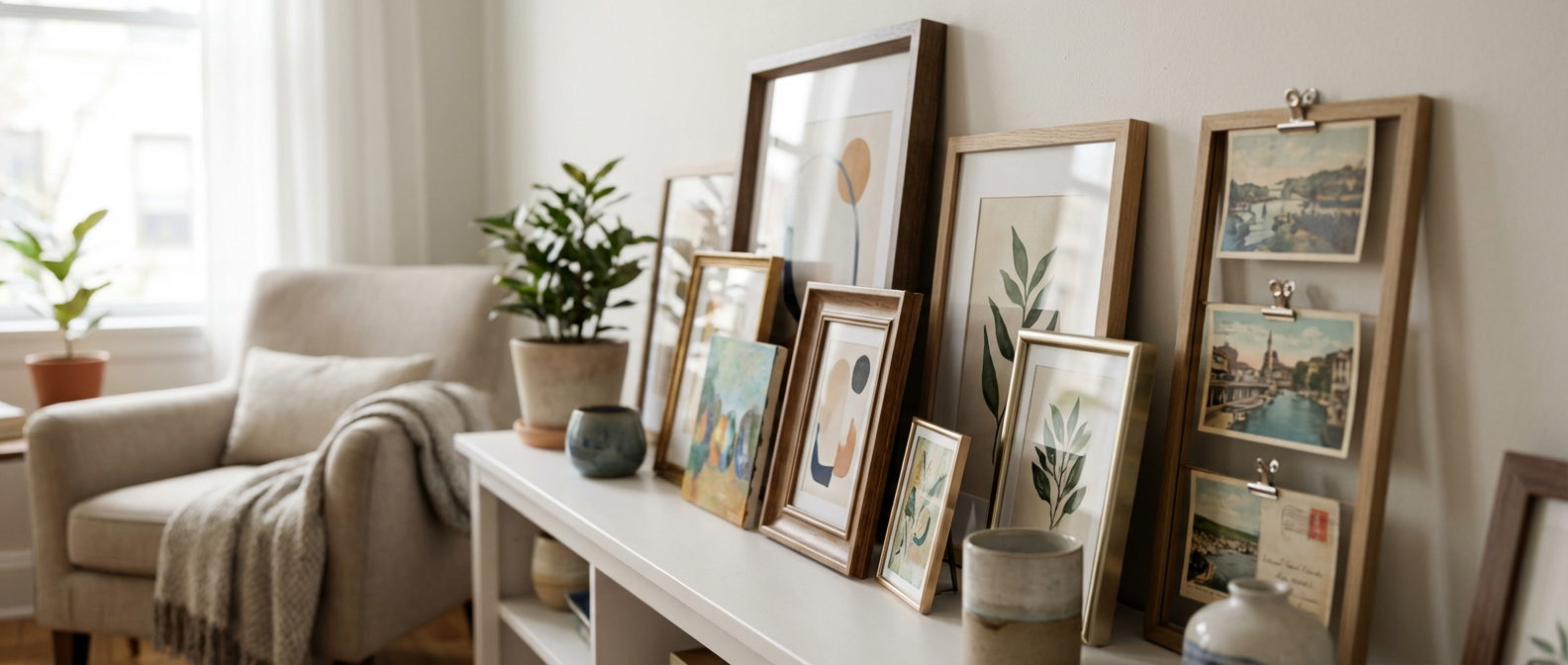
Margaret’s story reminds us that every great collection begins with that first act of faith. That moment when you choose to live with something beautiful rather than merely functional. The best collections aren’t built through wealth alone, but through the slow accumulation of pieces that speak to something essential within us. Her sparrow print, now worth maybe $30, had taught her to notice the delicate line work that would later help her recognize the genius in a $200 Agnes Martin drawing she found at a gallery closing sale in the 1980s.
Here’s what breaks my heart: most people think they can’t afford to collect art. But that’s not the real problem. We’ve been convinced that collecting requires serious money upfront. Margaret understood something most people miss. Developing an eye matters more than developing a budget. And once you have that eye, a small budget stretches impossibly far.
The Democracy of the Print Market
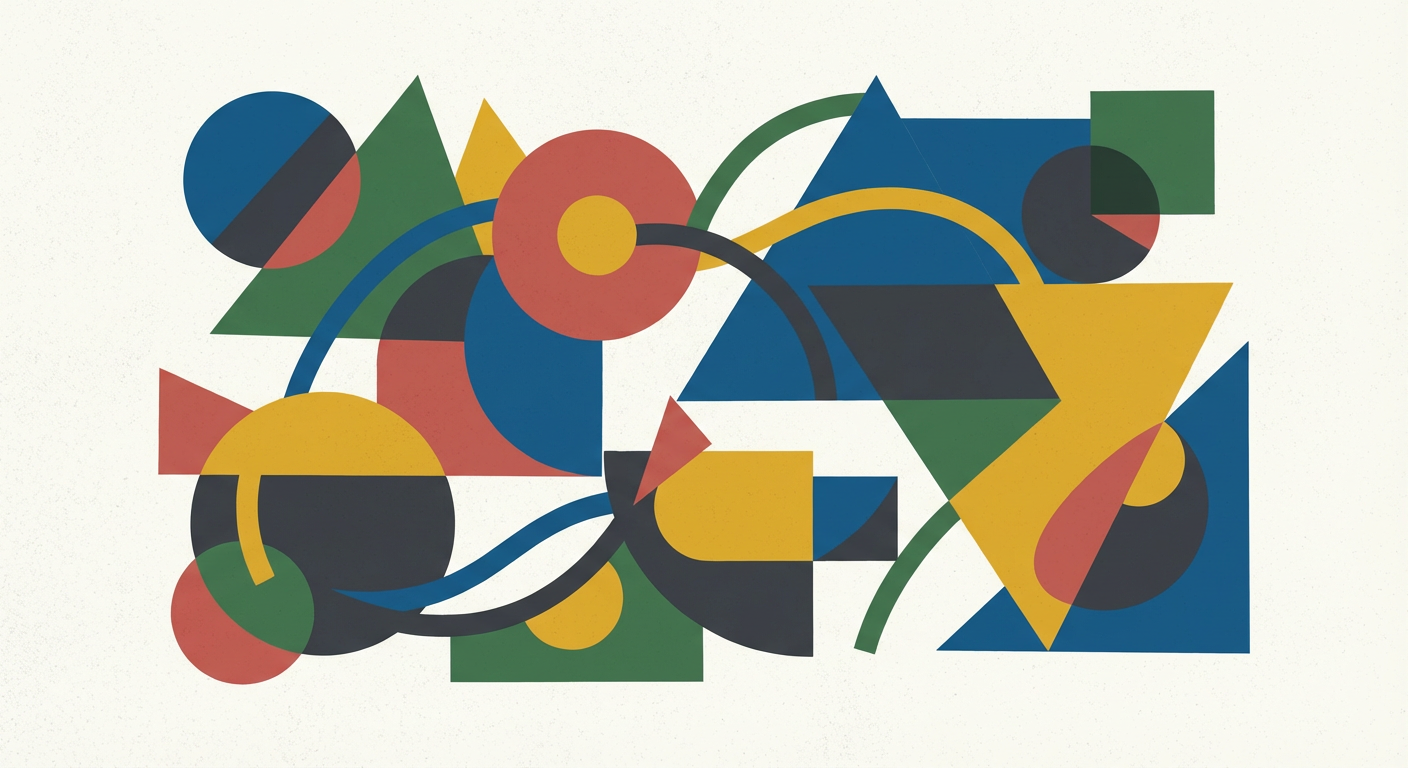
Original prints might be art history’s greatest democratic achievement, yet they remain the collecting world’s best-kept secret. When Albrecht Dürer created his woodcuts in the 1500s, he was making art accessible to people who could never afford a painted altarpiece. Today, that same democratic impulse means you can own an original Picasso lithograph for less than most people spend on a weekend getaway.
The secondary market for prints operates on completely different economics than paintings or sculptures. I’ve watched collectors build extraordinary holdings by focusing on print estates, gallery deaccessions, and university sales. Last month, I discovered a complete set of David Hockney’s “Weather Series” lithographs selling for $800 total at an estate sale in Oakland. These weren’t reproductions or posters. They were signed, numbered editions that retail individually for $300-500 each.
Regional print workshops offer another entry point that beginning collectors often overlook. The collaborative prints coming out of places like Tamarind Institute or Crown Point Press are museum-quality work at accessible prices because the artists share production costs. A lithograph created during Robert Motherwell’s residency at Tamarind might cost $400, while his paintings command six figures.
Understanding print terminology becomes your secret weapon here. An “artist’s proof” often costs less than numbered editions but they’re identical in quality. “Trial proofs” and “working proofs” can be extraordinary values for collectors who appreciate the insight they provide into an artist’s process. These aren’t lesser works. They’re often more intimate glimpses into creative decision-making.
The Overlooked Treasures in Drawing Collections
Drawings occupy a weird position in the art market. Museums revere them, casual collectors undervalue them. This creates remarkable opportunities for people willing to educate themselves about what they’re seeing. A small preparatory sketch by a recognized artist often costs a fraction of their finished paintings, yet provides more direct access to their thinking process.
I remember standing in the Whitney’s storage facility years ago, watching a curator handle a pencil study for one of Edward Hopper’s famous paintings. That drawing, just graphite on paper, contained every essential element of the final work: the quality of light, the psychological tension, the masterful composition. Yet similar preparatory works regularly appear at auction for prices that would surprise you.
Contemporary drawing presents even more accessible opportunities. Young artists often price works on paper much lower than canvases, creating openings for collectors to build relationships with emerging talents. The key is developing confidence about what you’re seeing. Understanding how an artist’s hand moves across paper. Recognizing the difference between hesitation and intention in a line.
University MFA exhibitions, graduate thesis shows, and faculty exhibitions at art schools provide access to serious work at pre-market prices. The artist displaying in a graduate show today might be the subject of a museum retrospective twenty years from now. Learning to recognize that trajectory takes time spent looking, but not necessarily serious money early on.
Building Relationships Beyond the Gallery System
The most successful collectors I’ve known understood that art collecting is basically about human relationships. With artists, with other collectors, with gallery staff who remember your genuine interest long after you’ve made a purchase. These relationships become more valuable than any individual piece, opening doors to private sales, studio visits, and early access to new work.
Artist studio tours, often available during neighborhood open studio events, provide direct access to work without gallery markups. I’ve watched collectors develop decades-long relationships that began with a $100 studio purchase and evolved into opportunities to acquire major works before they reached the secondary market. Artists remember collectors who believed in their work early, who bought something meaningful rather than simply what was cheapest.
Estate sales and auction house preview days offer education that money can’t buy. Spend time examining how pieces are framed, how they’re documented, what condition issues look like up close. Auction houses publish detailed condition reports that become masterclasses in connoisseurship when you read them while examining the actual works.
Developing relationships with framers, conservators, and art handlers gives you access to insider knowledge about what’s moving through the market. These professionals often know about private sales, deaccessions, and collection dispersals before they become public knowledge.
The Patient Collector’s Advantage
Margaret Chen’s collection worked because she understood that time was her greatest asset. She would visit the same galleries monthly, noting what sold and what didn’t, learning to recognize when galleries needed to move inventory. Her most important acquisitions happened during economic downturns, gallery closures, and estate settlements. Moments when great work becomes available at fractions of peak market prices.
The patient collector learns to distinguish between wanting something immediately and recognizing when something truly matters. Margaret kept a notebook documenting pieces she’d seen, tracking how her responses changed over time. Some works that initially excited her lost their appeal after months of consideration, while others grew more compelling with repeated viewing.
This approach requires getting comfortable with delayed gratification, but it also protects you against the market’s psychological tricks. When you’ve spent months or years thinking about a particular type of work, you’re less likely to get swept up by artificial urgency or inflated pricing.
The art world rewards this kind of thoughtful engagement. Galleries prefer selling to collectors they know will live with work long-term rather than flippers seeking quick returns. Artists appreciate collectors who understand their broader practice rather than simply wanting to own something by someone famous.
Building an art collection that will matter begins with learning to see differently, not spending differently. Margaret’s legacy reminds us that the best collections tell stories about sustained curiosity, patient looking, and the courage to trust your own developing eye. If you’ve been waiting for permission to begin, consider this your invitation to start noticing, start questioning, start building something meaningful, one careful choice at a time.