When Algorithms Meet Old Masters: TikTok’s Art Detective Revolution
The Moment Everything Changed
Picture this: you’re scrolling through TikTok on a lazy Sunday morning when a video stops you cold. A twenty-something art student named Maya is standing in front of what looks like a modest charcoal drawing in a small Portland gallery, her phone’s camera trained on the delicate lines of a dancer’s form. She taps TikTok’s new Art Authenticator feature, and within seconds, her screen lights up with information that makes her gasp audibly. The drawing she’s filming isn’t by an unknown artist as the gallery label suggests—it’s an authentic Edgar Degas, potentially worth over three million dollars.
This isn’t science fiction. This is February 2026, and Maya’s discovery is just one of nearly two thousand misattributions and unknown works that have surfaced since TikTok launched its AI-powered authentication tool. The TikTok Art Authenticator Technology Overview reveals an algorithm trained on millions of high-resolution images that can analyze brushstroke patterns, color compositions, and even the microscopic characteristics of paint application. But what fascinates me most isn’t the technology itself—it’s how this digital tool is fundamentally changing our relationship with the ancient craft of art authentication.
The Craft of Recognition in Digital Hands
Traditional art authentication has always been part detective work, part scholarly analysis, and part gut feeling born from years of studying an artist’s hand. Think about how a Renaissance master’s apprentice would learn to recognize their teacher’s work—not just through formal study, but through the intimate knowledge that comes from grinding pigments, preparing canvases, and watching those specific wrist movements that create a particular type of brushstroke. Authentication specialists develop similar instincts, but their training takes decades and requires access to countless original works.
TikTok’s algorithm has basically compressed this learning process into mathematical patterns that can be processed in real-time. The system analyzes everything from the way an artist applies paint in highlight areas to the subtle variations in line weight that reveal individual artistic habits. When I look at a Rothko painting, I’m searching for those barely perceptible shifts in color temperature that happen when he moved between different batches of pigment. The AI does something similar but can compare those patterns against thousands of verified Rothko works in milliseconds.
What’s remarkable is how this technology democratizes access to expertise that was previously locked up by institutions and high-end auction houses. The craft knowledge embedded in museum curators’ trained eyes is now available to anyone with a smartphone. This accessibility comes with complications that reveal just how deeply human the art authentication process has always been.
When Twenty-Three Million Eyes Start Looking
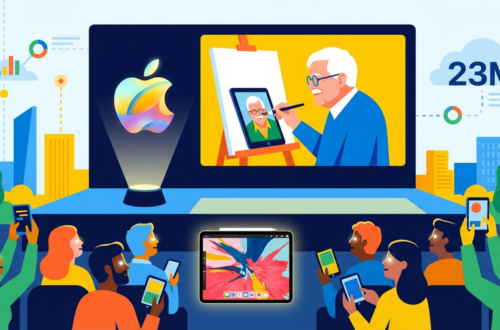
The numbers tell a wild story. In just one month, TikTok users activated the Art Authenticator feature twenty-three million times. That’s more individual authentication attempts than most regional museums see in a year. This surge in amateur investigation has led to discoveries that professional institutions missed for decades, but it’s also created tension between traditional expertise and crowd-sourced detection.
Consider what happens when algorithmic accuracy meets human interpretation. The AI might correctly identify a painting’s technical characteristics and suggest it’s by a specific artist, but authentication involves more than technical analysis. It requires understanding an artist’s career trajectory, their access to certain materials, their documented whereabouts during specific periods. Maya’s Degas discovery became legitimate not just because the algorithm flagged it, but because subsequent research confirmed the drawing’s provenance and fit within the artist’s documented body of work.
The viral nature of these discoveries creates its own interesting dynamic. Art history hashtags have accumulated over two billion views this year, with the algorithm now pushing art-related content to sixty-seven percent more users than in 2025. Millions of people are being exposed to detailed discussions about artistic techniques, historical contexts, and authentication processes. The comments sections under these videos become impromptu art history seminars, with users sharing their own observations about brushwork, composition, and historical details.
The Institutional Response and What It Reveals
The professional art world’s response has been swift and revealing. The IADAOPA Official Statement on Digital Authentication expresses deep concern about amateur authentication undermining expert opinions, and I get their perspective. Decades of specialized training and institutional knowledge can’t simply be replaced by algorithmic analysis, no matter how sophisticated.
But what interests me most is how this controversy exposes the craft aspects of authentication that we rarely discuss openly. When a curator spends years studying a particular artist’s work, they develop an almost physical understanding of that artist’s process. They can sense the weight behind a brushstroke, imagine the artist’s hand movements, and feel the rhythm of the creative process embedded in the final work. This embodied knowledge comes from understanding not just what artists created, but how they created it.
The AI threat isn’t really about replacing human expertise—it’s about making visible the craft knowledge that experts have traditionally held privately. When that knowledge becomes algorithmic and accessible, it changes the power dynamics around who gets to determine authenticity and value in the art world.
Where Human Touch Meets Digital Precision
What emerges from this collision between traditional expertise and technological innovation isn’t replacement but rather a new hybrid form of authentication that combines the best of both approaches. The algorithm excels at pattern recognition and comparative analysis, while human experts bring contextual knowledge, historical understanding, and interpretive skills that artificial intelligence still cannot replicate.
The most successful authentication stories emerging from TikTok involve exactly this collaboration. Users identify potential discoveries through the AI tool, then engage with art historians, museum professionals, and authentication experts to build comprehensive cases for attribution. This process actually elevates the craft of authentication by making it more transparent and collaborative rather than diminishing it.
Maya’s Degas discovery succeeded not because the algorithm alone identified the work, but because her viral video attracted the attention of Degas specialists who could provide the historical and technical context needed to confirm the attribution. The technology became a starting point for deeper investigation rather than a final authority.
This new landscape fascinates me because it reveals how the craft of seeing and understanding art continues to evolve. Just as photography once threatened traditional painting but ultimately expanded our visual vocabulary, AI authentication tools are expanding our capacity to recognize and understand artistic creation. The question isn’t whether technology will replace human expertise in art authentication, but how we’ll integrate these new tools into the ancient human practice of really seeing art—of understanding the hands and minds that created the works that move us across centuries.