The Gentle Art of Growing a Collection: How Small Discoveries Build into Something Magnificent
Understanding the Collector’s Eye Before You Spend a Dime
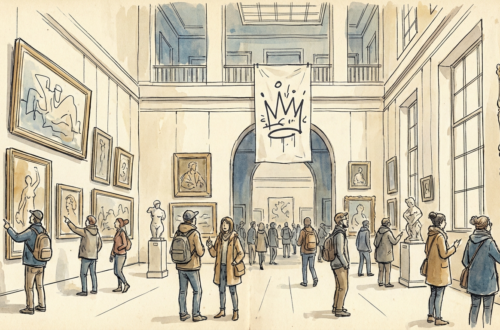
Before you buy your first piece, spend months training your eye like a detective learning to read crime scenes. Visit every gallery opening in your neighborhood, even the ones in converted warehouses where wine comes in plastic cups and the artist’s statement mentions “exploring the liminal space between.” Study how your pulse quickens when you encounter certain color combinations. Notice how your breathing changes when you’re face-to-face with particular scales of work. Which pieces make you linger? Which ones do you walk past without a second glance?
This detective work costs nothing but time, yet it’s the foundation of every meaningful collection. Pay attention to the technical elements that draw you in. Do you love the way certain printmakers get those deep blacks? Does your eye hunt for the trembling line quality in drawings made with worn-down charcoal? Maybe you find yourself captivated by how contemporary painters layer transparent glazes to create depth, echoing techniques Vermeer used centuries ago. These preferences will guide every purchase decision you make later.
Start a visual journal using your phone or a small notebook. Document the works that stop you in your tracks, but more importantly, write down why they affect you. Was it the unexpected texture in what looked like a smooth surface from across the room? The way the artist used negative space to create tension? This practice develops your visual vocabulary and helps you explain what you love, which becomes invaluable when you start talking with artists and dealers.
The Art of Strategic Shopping: Where Quality Meets Affordability
Art school graduate exhibitions are some of the best hunting grounds for discovering exceptional work at accessible prices. These students have spent years developing their technical skills under master craftspeople, yet their work hasn’t entered the inflated gallery system. Attend BFA and MFA shows at local universities, where you can often buy sophisticated pieces for a few hundred dollars. Look for students who have mastered traditional techniques while bringing fresh perspectives to familiar mediums.
Estate sales offer another treasure trove, though they require a more archaeological approach to discovery. Arrive early and look beyond the obvious decorative pieces to find work by local artists who may have been quietly creating for decades. I once found a series of delicate botanical etchings from the 1940s, each one a meditation on light filtering through leaves, priced at five dollars each. The sale organizers didn’t recognize the sophisticated plate-making techniques involved.
Online platforms have opened up access to emerging artists worldwide, but they require careful navigation. Look for artists who photograph their work professionally and provide detailed descriptions of their materials and processes. Pay attention to those who discuss their influences thoughtfully and show understanding of art historical context. A printmaker who mentions studying Japanese woodblock techniques and then shows evidence of that influence in their cutting style? That’s likely someone whose work will develop in interesting directions.
Local artist studio tours and open studio events let you see work in the context of its creation, surrounded by the tools and experiments that generated it. These settings help you understand an artist’s working methods and see pieces that galleries might not select for exhibition. Artists often offer studio visit pricing that reflects the absence of gallery commissions.
Building Relationships That Enhance Both Art and Understanding
Collecting becomes way more rewarding when you develop genuine relationships with the people creating the work you love. Attend artist talks and stay for the questions. Engage thoughtfully with their process. Ask about specific technical choices rather than vague inquiries about inspiration. When you show genuine curiosity about how they achieved a particular surface quality or why they chose one printing method over another, artists often become eager to share the deeper thinking behind their work.
These conversations transform individual pieces into windows into entire practices. An artist might mention that a particular painting represents six months of experimenting with mixing their own pigments from local clay. Or that a series of photographs required learning nineteenth-century darkroom techniques. This context doesn’t just add intellectual value. It deepens your daily experience of living with the work.
Many artists offer payment plans for serious collectors, recognizing that building a collection is a long-term commitment rather than a series of impulse purchases. When you demonstrate genuine interest in their work and express desire to live with a piece over time, artists often become willing to work within various budget constraints. This approach also lets you reserve emerging work before it gains wider recognition.
Developing Your Collection’s Voice Through Intentional Curation
A meaningful collection tells a story through the relationships between individual pieces, creating conversations across mediums, time periods, and artistic approaches. Consider how a contemporary ceramic vessel might speak to a vintage photograph of hands shaping clay. Or how two prints made decades apart might share an approach to depicting light that creates visual dialogue on your wall.
Focus on specific elements that fascinate you rather than trying to represent every possible artistic movement or medium. Perhaps you find yourself drawn to works that explore transparency, leading you to collect watercolors, glass pieces, and photographs shot through multiple exposures. Or maybe your eye seeks out evidence of the artist’s hand, collecting drawings, prints, and ceramics that celebrate rather than hide their making process.
Document your collection as it grows. Photograph pieces together and note how they interact in your living space. This practice helps you identify gaps where future acquisitions might create even stronger visual conversations. You might discover that your collection gravitates toward earth tones and organic forms, suggesting that a piece with similar palette but geometric structure could provide interesting tension.
The Long View: How Small Beginnings Create Lasting Collections
Remember that the most compelling collections develop over years and decades, with each addition deepening the overall conversation rather than simply adding to a numerical count. Start with pieces that genuinely move you, regardless of whether they fit conventional ideas about what art collections should contain. A small drawing that makes you pause every time you pass it holds more value than a larger, more expensive piece that fades into background noise.
Your collection becomes a visual autobiography, documenting not just your aesthetic preferences but your growth in seeing and understanding. The piece you acquire today as an emerging collector will remind future you of this moment of discovery, creating personal historical markers alongside artistic ones.
What aspects of making and process intrigue you most as you consider starting your collection? I find that beginning collectors often surprise themselves with what captures their imagination once they start paying close attention to how things are made rather than just how they appear.